Majesty palm brown tips
Brown tips on a majesty palm are rarely a disease. The tip is the tissue furthest from the roots, so it is the first thing the plant gives up when something small goes slightly wrong over and over. It is a record, not an emergency.
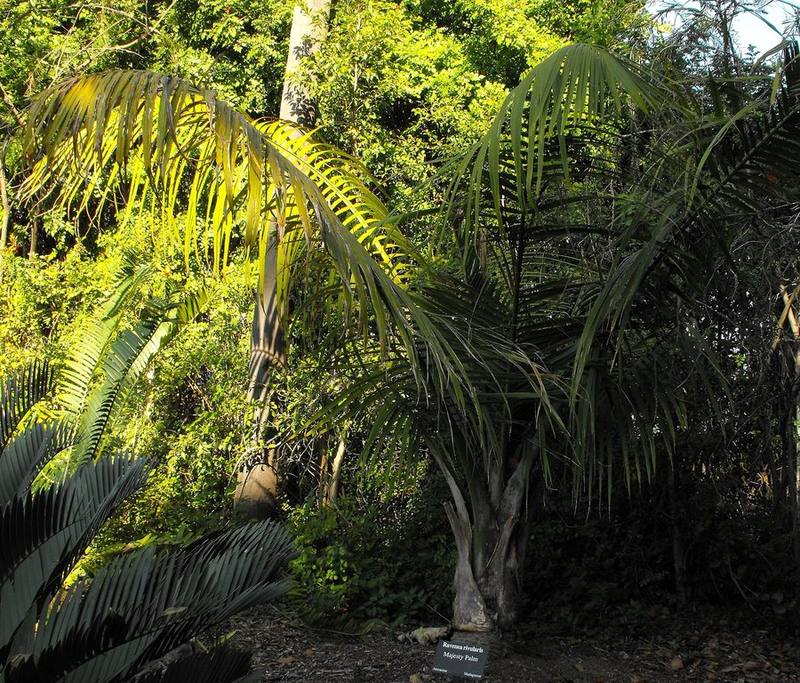
What is specific to this plant
- A majesty palm is a riverbank plant sold as a houseplant. It wants more light and more water than the average living room offers, and most indoor specimens are slowly declining rather than acutely sick.
- It is extremely prone to spider mites in dry indoor air, and the fine stippling is easy to mistake for a nutrient problem.
- The oldest, lowest frond browning off while new fronds come from the centre is normal turnover.
What it could be, and how to tell
These look alike in a photograph, so each one below lists what you would ALSO see if that is the cause. Work down the list and stop at the one where the other symptoms match too.
1. The lowest frond retired as a new one opens
What else you would see
- the single lowest frond browning off while the centre keeps producing
- a new spear rising from the middle at the same time
- the browning working evenly along that one frond
- fronds above it still green and firm
What to do
- Cut the spent frond off at the base once it has browned through.
- Leave partly green fronds alone, since the plant is still drawing from them.
- Look at the light and the watering only if nothing new is emerging from the centre.
2. Minerals and fluoride in tap water
What else you would see
- damage confined to the very tips and outer edges, with a thin yellow band between the brown and the green
- a white or yellowish crust on the surface of the mix or around the pot rim
- the plant otherwise growing well, and still producing new leaves
What to do
- Switch to filtered, distilled or rainwater.
- Flush the pot every few months: run a large volume of water slowly through it so accumulated salts leave through the drainage holes.
- Trim the damage at an angle with clean scissors, leaving a hairline of brown so you do not cut into living tissue and create a fresh brown edge.
3. Dry air
What else you would see
- worse in winter once the heating is on
- a radiator, a vent or a draught nearby
- other plants in the same room showing crisp edges too
What to do
- Move it away from direct heat sources and draughts.
- Group plants together, or stand the pot on a tray of damp pebbles, so the air immediately around it is more humid.
4. The oldest fronds stripped to pay for the new spear
What else you would see
- browning confined to the lowest fronds while the spear at the centre comes up clean
- the brown running in from the tip of each leaflet rather than appearing as spots
- a yellow or bronze cast spreading along a whole lower frond behind the brown
- the plant still pushing a new spear from the middle
What to do
- Leave a browning lower frond until it is mostly brown, since cutting it while it is still part green takes the reserve the plant was withdrawing.
- Trim only dead tissue when you do trim, following the outline of the leaflet rather than cutting straight across.
- Never cut into the spear or the centre of the crown, because a palm grows from that one point and does not replace it.
5. Fertiliser salt buildup
What else you would see
- a white or yellowish crust on the mix or the rim of the pot
- damage that got worse after a feeding routine started
- many leaves affected at once rather than one
What to do
- Flush the pot thoroughly with plain water to carry the salts out.
- Feed less often, at the dilution given on the label of the product you use.
- Repot into fresh mix if the crust is heavy.
6. Inconsistent watering, or drying out too far
What else you would see
- every frond crisping at the tips at once rather than one frond going at a time
- the newest spear narrower than the frond before it
- water running straight through and out of the pot in seconds
What to do
- Water thoroughly until it runs freely from the drainage holes, rather than a splash at the surface.
- If the mix has gone water-repellent and the water runs straight through, stand the pot in a basin of water for half an hour to rewet it properly.
- Water on dryness rather than on a fixed day of the week, and this is how far it should dry: the top inch, and no further.
7. Overwatering, and the root rot that follows
What else you would see
- fronds yellowing from the lowest ones upward while the mix stays wet
- a sour smell when you push the surface of the mix aside
- roots visible at the drainage holes dark rather than pale
What to do
- Stop watering and let it dry down this far: the top inch, and no further.
- Check that the pot drains and empty any saucer or decorative outer pot it sits in. Water held out of sight keeps the mix wet whatever you change above it, and it stays invisible until you lift the pot.
- If the roots are soft and brown, trim them back to firm tissue with a blade sterilised first and repot into fresh moisture-retentive but free-draining mix.
Common questions
Should I cut the brown tips off my majesty palm?
For appearance, yes. Cut at an angle following the natural shape of the leaf and leave a hairline of brown behind, because cutting into living tissue simply creates a fresh brown edge.
Do brown tips mean too much water or too little?
Either can produce them, which is why the tips alone are not enough to diagnose from. Check the mix and the roots. Overwatering usually brings yellowing and limpness with it; underwatering brings crisping that runs further down the leaf.
Does tap water really cause this?
For some plants, yes, and reliably so. Fluoride and dissolved salts accumulate in the leaf tips faster than the plant can cope with. The tell is that the rest of the plant looks perfectly healthy.
Before you act on any of this
This is general plant care guidance for a plant, not advice about people or animals. We never tell you whether a plant is safe to eat or touch, and we never tell you a plant is safe for a child or a pet. If a child or animal may have eaten any part of a plant, contact Poison Control (US 1-800-222-1222) or a vet immediately rather than reading further.
Treatment advice here is deliberately category level. We do not give product names, mixing ratios or application intervals. Whatever the label on the product in your hand says is the instruction that counts, and following it is your responsibility.
Where this comes from
The general horticultural facts behind this differential come from published university extension and Royal Horticultural Society guidance. What is specific to this plant, and the order the causes are ranked in, is ours, and the methodology page says where that reasoning stops being reliable.
- Diagnosing Houseplant Problems from Improper Environmental ConditionsIowa State University Extension and Outreach
- DracaenaClemson Cooperative Extension Home and Garden Information Center
- Fertilizer Toxicity or High Soluble Salts in Indoor PlantsUniversity of Maryland Extension
- Indoor Plants: WateringClemson Cooperative Extension Home and Garden Information Center
- How to grow houseplantsRoyal Horticultural Society
Other majesty palm problems
- Majesty palm drooping
- Majesty palm dying
- Majesty palm spider mites
- Majesty palm leaves turning brown
- Majesty palm yellow leaves
- Majesty palm leaves curling
Not sure which one it is?
PlantRx is an iPhone app that reads the photo and gives you the same kind of ranked differential you just read, for your plant specifically, with the evidence it based each answer on. The first diagnosis is free, in full. There is no subscription and no account.