ZZ plant black spots
Black, as opposed to brown, usually means wet. On a zz plant it points at rot or at an infection far more often than at dryness or sun, and the first thing worth checking is the roots rather than the leaves.
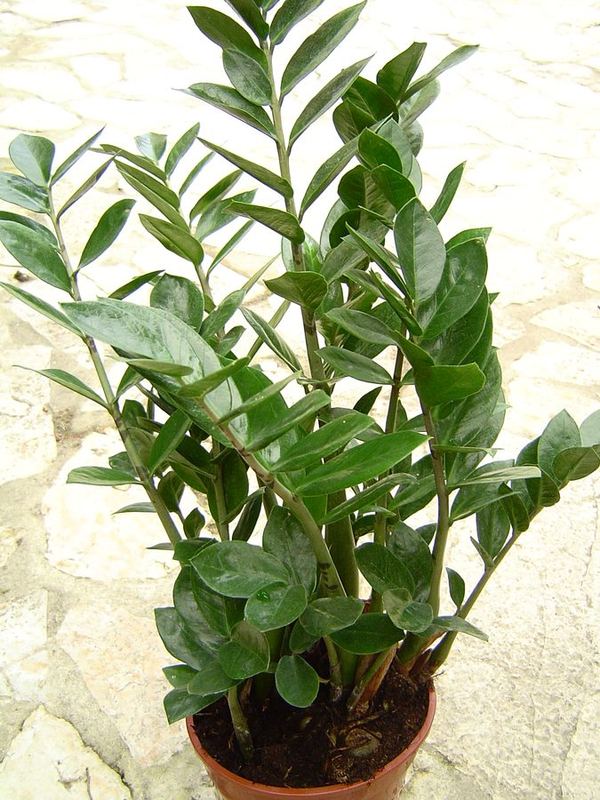
What is specific to this plant
- A ZZ plant stores water in rhizomes that look like small potatoes, so it can go a month or more without water. Almost everything that kills one is too much water, not too little.
- It grows slowly by design. A ZZ that has not visibly changed in months is usually not sick.
- Because the rhizome buffers the plant, symptoms appear late. By the time leaves yellow, the rot has usually been going on for weeks.
What it could be, and how to tell
These look alike in a photograph, so each one below lists what you would ALSO see if that is the cause. Work down the list and stop at the one where the other symptoms match too.
1. Black creeping up the stalk from the soil line
What else you would see
- darkening that starts where the stalk enters the mix and moves upward
- the affected stalk soft and slightly flattened low down
- leaflets still green and firm above the black
- other stalks in the same pot completely unaffected
What to do
- Pull the affected stalk away at the base and discard it rather than cutting it partway up.
- Lift the plant and check the rhizome it came from, cutting any soft section back to firm tissue.
- Let the mix dry the whole way down before watering again, and expect that to take weeks.
2. Rot working up from the roots
What else you would see
- black or very dark spots that feel soft or damp rather than crisp
- the lowest leaves affected first
- a sour smell, and mix that stays wet
What to do
- Stop watering and let it dry down this far: at least the top half of the pot, and ideally nearly all of it.
- Check that the pot drains and empty any saucer or decorative outer pot it sits in. Water held out of sight keeps the mix wet whatever you change above it, and it stays invisible until you lift the pot.
- If the roots are soft and brown, trim them back to firm tissue with a blade sterilised first and repot into fresh gritty, free-draining mix.
3. Bacterial leaf spot
What else you would see
- dark spots with a yellow halo, often with a wet or greasy look
- new leaves affected as well as old
- rapid spread, noticeable day to day
What to do
- Isolate the plant straight away.
- Cut away affected leaves with a sterilised blade and bin them.
- Stop misting, keep the foliage dry, and improve airflow.
- If you use any treatment product, follow its label exactly.
4. Cold damage
What else you would see
- damage that appeared within a few days of a cold snap, or of the heating or air conditioning coming on
- the plant sits near a window, an exterior door or a vent
- the damage is worst on the side facing the cold
What to do
- Move the plant away from the glass, the door or the vent.
- Damaged tissue will not recover. Leave it unless it turns soft, which is the point at which it can start to rot.
5. Physical damage
What else you would see
- isolated marks that have not changed in size for weeks
- marks where the leaf touches a wall, a pot or another leaf
- no new leaves affected
What to do
- Nothing to treat.
- Give the plant enough room that its leaves are not rubbing against anything.
Common questions
Black spots or brown spots, does the difference matter?
Yes. Black and soft usually means water and rot. Brown and crisp usually means dryness, sun or age. They are close to opposite problems and the responses do not overlap.
Is it contagious to my other plants?
A bacterial or fungal leaf spot can spread, particularly on wet foliage in still air. Rot caused by overwatering does not spread from plant to plant, though the habit that caused it usually affects several.
Can I just cut the black parts off?
Removing affected leaves helps and is worth doing, but it treats the symptom. If the roots are rotting, nothing improves until the roots and the mix are dealt with.
Is a zz plant poisonous to cats, dogs or children?
ZZ plant contains calcium oxalate crystals and is widely listed as harmful to pets and children if chewed. We do not tell you that any plant is safe. If a pet or a child may have chewed any part of one, contact a vet, or Poison Control on 1-800-222-1222 in the US, immediately rather than waiting to see what happens.
Before you act on any of this
This is general plant care guidance for a plant, not advice about people or animals. We never tell you whether a plant is safe to eat or touch, and we never tell you a plant is safe for a child or a pet. If a child or animal may have eaten any part of a plant, contact Poison Control (US 1-800-222-1222) or a vet immediately rather than reading further.
Treatment advice here is deliberately category level. We do not give product names, mixing ratios or application intervals. Whatever the label on the product in your hand says is the instruction that counts, and following it is your responsibility.
Where this comes from
The general horticultural facts behind this differential come from published university extension and Royal Horticultural Society guidance. What is specific to this plant, and the order the causes are ranked in, is ours, and the methodology page says where that reasoning stops being reliable.
- Houseplant Diseases and DisordersClemson Cooperative Extension Home and Garden Information Center
- Root Rots on HouseplantsUniversity of Wisconsin-Madison Division of Extension
- Diagnosing Houseplant Problems from Improper Environmental ConditionsIowa State University Extension and Outreach
- Overwatered Indoor PlantsUniversity of Maryland Extension
- How to grow houseplantsRoyal Horticultural Society
Other zz plant problems
- ZZ plant yellow leaves
- ZZ plant drooping
- ZZ plant not growing
- ZZ plant leaves curling
- ZZ plant root rot
- ZZ plant leaves turning brown
- ZZ plant dying
Not sure which one it is?
PlantRx is an iPhone app that reads the photo and gives you the same kind of ranked differential you just read, for your plant specifically, with the evidence it based each answer on. The first diagnosis is free, in full. There is no subscription and no account.