Christmas cactus root rot
Root rot on a christmas cactus is a drainage problem before it is a disease. Roots sitting in mix that never dries suffocate first and rot second, so the fix is as much about what the plant is potted in as about the roots you cut away.
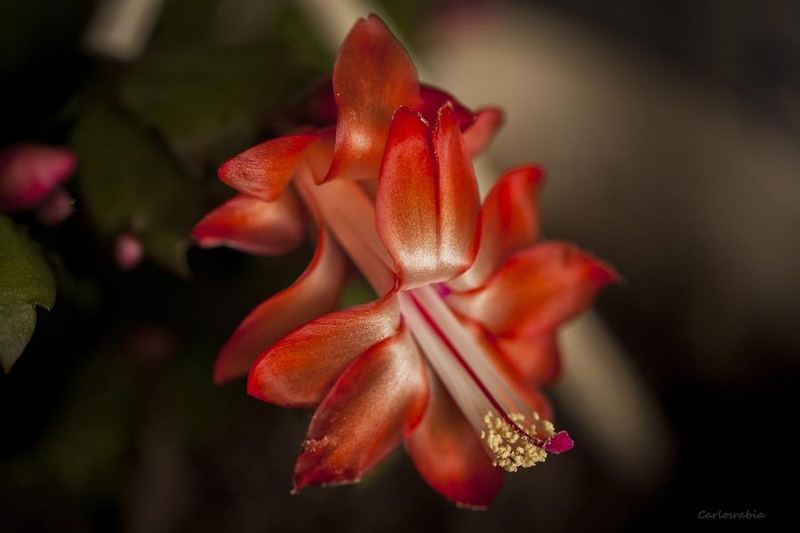
What is specific to this plant
- It is not a desert cactus. It is a Brazilian forest epiphyte, and it wants noticeably more water and humidity than a cactus mix suggests. Treating it like a desert plant is a common way to make one look permanently unwell.
- Dropping buds after being moved is normal and specific to this plant: it sets buds in one light direction and abandons them when that changes.
- Flowering is triggered by long, uninterrupted nights and cooler temperatures, so a plant that will not bloom is usually getting evening lamp light.
What it could be, and how to tell
These look alike in a photograph, so each one below lists what you would ALSO see if that is the cause. Work down the list and stop at the one where the other symptoms match too.
1. A mix that never dries out
What else you would see
- mix still wet days after watering, when this much should have dried: the top inch or two, not the whole pot
- a heavy pot, and a dense mix that has compacted down
- a sour or musty smell from the surface
What to do
- Take the plant out and remove all of the old medium.
- Cut back every root that is brown, soft or hollow, using a blade sterilised first, back to firm tissue.
- Repot into fresh free-draining mix with some grit, in a pot with real drainage, sized to the roots that remain rather than to the old pot.
- Water sparingly until new growth appears.
2. A pot deeper than these roots ever reach into
What else you would see
- roots occupying only the top part of the mix, with the bottom of the pot bare
- mix at the bottom still soaking when the surface has been dry for days
- a tall pot chosen to balance a wide trailing plant
- the same deep pot for years without the bottom of it ever rooting through
What to do
- Repot into a wide shallow pot the roots can actually fill, rather than a deeper one chosen to match the spread of the segments.
- Cut away roots that are brown or come apart, keep the fine firm ones, and use a free-draining mix with grit in it.
- Water by the weight of the pot rather than by the surface, since the surface of an oversized pot dries long before the mix under it does.
3. Watering on a schedule instead of on the plant
What else you would see
- a fixed weekly routine regardless of season or light
- the mix never actually reaching the dryness this plant wants: the top inch or two, not the whole pot
- the problem arriving in winter, when the plant is using far less water
What to do
- Water on dryness rather than on a fixed day of the week, and this is how far it should dry: the top inch or two, not the whole pot.
- Expect the interval to stretch in winter and shorten in summer.
4. Water standing under the pot
What else you would see
- a decorative outer pot or cachepot with no drainage hole
- a saucer that is rarely emptied
- rot starting at the very base of the plant rather than at the root tips
What to do
- Always let the pot drain fully, then tip out whatever collects underneath.
- Water in the morning so any excess has the day to drain and evaporate.
5. A pot far bigger than the root ball
What else you would see
- a recent move into a much larger pot
- mix at the outside of the pot staying wet for weeks
- the plant looking worse rather than better since it was repotted
What to do
- Repot back down to a pot only slightly larger than the root ball, in fresh free-draining mix with some grit.
- Go up one size at a time in future.
Common questions
Can a plant recover from root rot?
Often, if enough firm root remains and the mix is changed at the same time. Cutting rotted roots away while leaving the plant in the mix that caused it is the usual reason a rescue fails.
How far back should I cut?
Into clean firm tissue, every time. A root that is soft, brown or hollow is already gone, and anything left behind carries on rotting in the fresh mix.
Should I use a fungicide?
The reliable part of the fix is mechanical: remove the rotted tissue and the waterlogged medium, and repot into something that drains. If you choose to use any product, follow the instructions on its label exactly, since the label is the legal instruction and overrides anything written here.
Before you act on any of this
This is general plant care guidance for a plant, not advice about people or animals. We never tell you whether a plant is safe to eat or touch, and we never tell you a plant is safe for a child or a pet. If a child or animal may have eaten any part of a plant, contact Poison Control (US 1-800-222-1222) or a vet immediately rather than reading further.
Treatment advice here is deliberately category level. We do not give product names, mixing ratios or application intervals. Whatever the label on the product in your hand says is the instruction that counts, and following it is your responsibility.
Where this comes from
The general horticultural facts behind this differential come from published university extension and Royal Horticultural Society guidance. What is specific to this plant, and the order the causes are ranked in, is ours, and the methodology page says where that reasoning stops being reliable.
- Root Rots on HouseplantsUniversity of Wisconsin-Madison Division of Extension
- Indoor Plants: WateringClemson Cooperative Extension Home and Garden Information Center
- Overwatered Indoor PlantsUniversity of Maryland Extension
- Repotting HouseplantsPenn State Extension
- How to grow houseplantsRoyal Horticultural Society
Other christmas cactus problems
- Christmas cactus no flowers
- Christmas cactus problems
- Christmas cactus drooping
- Christmas cactus overwatered
- Christmas cactus yellow leaves
- Christmas cactus dying
- Christmas cactus not growing
- Christmas cactus leaves curling
Not sure which one it is?
PlantRx is an iPhone app that reads the photo and gives you the same kind of ranked differential you just read, for your plant specifically, with the evidence it based each answer on. The first diagnosis is free, in full. There is no subscription and no account.