Croton leaves turning brown
Brown on a croton leaf is dead tissue, so the useful question is not how to bring it back, because it will not come back. It is what killed it, and whether it is still happening. Where the brown starts is the clue.
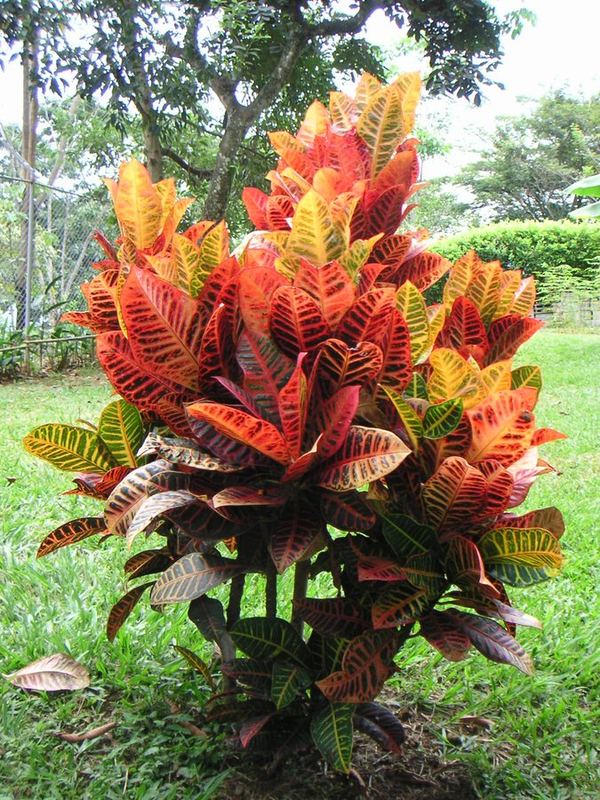
What is specific to this plant
- Crotons drop leaves at any disturbance: a move, a draught, a cold delivery van. Losing leaves in the fortnight after arriving is expected.
- The colour is made by light. In a dim spot new growth comes in plain green, and that is the earliest sign it needs more.
- Dry indoor air plus a stressed croton is a reliable recipe for spider mites.
What it could be, and how to tell
These look alike in a photograph, so each one below lists what you would ALSO see if that is the cause. Work down the list and stop at the one where the other symptoms match too.
1. Leaves browning in the fortnight after a move
What else you would see
- browning and dropping that began within days of arriving home
- damage across the whole plant rather than one side
- the stems still firm and green under the bark
- the plant otherwise well watered
What to do
- Leave it in one place and keep conditions steady rather than reacting to each leaf.
- Do not repot or feed while it is settling, which adds a second disturbance.
- Judge it by whether new growth comes in over the following weeks.
2. Underwatering, or letting it dry out too far
What else you would see
- colour draining out of the oldest leaves before they drop
- leaf edges crisping while the plant is standing in strong light
- a pot light enough to move easily for the size of the plant
What to do
- Water thoroughly until it runs freely from the drainage holes, rather than a splash at the surface.
- If the mix has gone water-repellent and the water runs straight through, stand the pot in a basin of water for half an hour to rewet it properly.
- Water on dryness rather than on a fixed day of the week, and this is how far it should dry: the top inch.
3. Overwatering, and the root rot that follows
What else you would see
- leaves dropping from the lowest whorls while their colour is still strong
- stems going soft and dark just above the mix
- a mix that stays wet under a plant standing somewhere warm and bright
What to do
- Stop watering and let it dry down this far: the top inch.
- Check that the pot drains and empty any saucer or decorative outer pot it sits in. Water held out of sight keeps the mix wet whatever you change above it, and it stays invisible until you lift the pot.
- If the roots are soft and brown, trim them back to firm tissue with a blade sterilised first and repot into fresh free-draining potting mix.
4. Too much direct sun
What else you would see
- bleached, pale patches rather than an even colour change
- damage only on the side or the leaves facing the window
- leaves warm to the touch in the afternoon
What to do
- Move it back from the glass or filter the light. Croton wants very bright light, with some direct sun.
- Bleached tissue does not turn green again. Judge recovery by whether NEW leaves come in a healthy colour.
5. Dry air
What else you would see
- worse in winter once the heating is on
- a radiator, a vent or a draught nearby
- other plants in the same room showing crisp edges too
What to do
- Move it away from direct heat sources and draughts.
- Group plants together, or stand the pot on a tray of damp pebbles, so the air immediately around it is more humid.
6. Minerals and fluoride in tap water
What else you would see
- damage confined to the very tips and outer edges, with a thin yellow band between the brown and the green
- a white or yellowish crust on the surface of the mix or around the pot rim
- the plant otherwise growing well, and still producing new leaves
What to do
- Switch to filtered, distilled or rainwater.
- Flush the pot every few months: run a large volume of water slowly through it so accumulated salts leave through the drainage holes.
- Trim the damage at an angle with clean scissors, leaving a hairline of brown so you do not cut into living tissue and create a fresh brown edge.
7. Cold or a draught
What else you would see
- damage that appeared within a few days of a cold snap, or of the heating or air conditioning coming on
- the plant sits near a window, an exterior door or a vent
- the damage is worst on the side facing the cold
What to do
- Move the plant away from the glass, the door or the vent.
- Damaged tissue will not recover. Leave it unless it turns soft, which is the point at which it can start to rot.
8. Ordinary ageing
What else you would see
- one or two of the oldest, lowest leaves at a time and no more
- healthy new growth continuing from the centre or the tip
- no other symptom anywhere on the plant
What to do
- Remove the spent leaf at its base with a clean blade, purely for looks.
- Nothing else is needed.
Common questions
Should I cut brown leaves off?
Once a leaf is more brown than green, take it off at the base. If only part of a leaf is brown, you can trim the dead section at an angle and leave the rest, since a partly green leaf still does useful work.
Will the brown parts recover?
No. Brown tissue is dead and stays dead. Success is measured by whether the NEW leaves come in clean, which takes a few weeks after the cause is fixed.
Crispy brown or soft brown, does it matter?
It matters a great deal. Crispy and dry points at too little water, dry air or sun. Soft, dark and damp points at too much water or at a rot, and those need opposite responses.
Before you act on any of this
This is general plant care guidance for a plant, not advice about people or animals. We never tell you whether a plant is safe to eat or touch, and we never tell you a plant is safe for a child or a pet. If a child or animal may have eaten any part of a plant, contact Poison Control (US 1-800-222-1222) or a vet immediately rather than reading further.
Treatment advice here is deliberately category level. We do not give product names, mixing ratios or application intervals. Whatever the label on the product in your hand says is the instruction that counts, and following it is your responsibility.
Where this comes from
The general horticultural facts behind this differential come from published university extension and Royal Horticultural Society guidance. What is specific to this plant, and the order the causes are ranked in, is ours, and the methodology page says where that reasoning stops being reliable.
- Diagnosing Houseplant Problems from Improper Environmental ConditionsIowa State University Extension and Outreach
- Indoor Plants: WateringClemson Cooperative Extension Home and Garden Information Center
- Root Rots on HouseplantsUniversity of Wisconsin-Madison Division of Extension
- Lighting for Indoor PlantsUniversity of Maryland Extension
- How to grow houseplantsRoyal Horticultural Society
Other croton problems
Not sure which one it is?
PlantRx is an iPhone app that reads the photo and gives you the same kind of ranked differential you just read, for your plant specifically, with the evidence it based each answer on. The first diagnosis is free, in full. There is no subscription and no account.