Orchid root rot
Orchid roots are meant to be exposed to air. Most root rot on a phalaenopsis comes from potting bark that has broken down into a dense compost that never dries, and the fix is as much about the medium as about the roots.
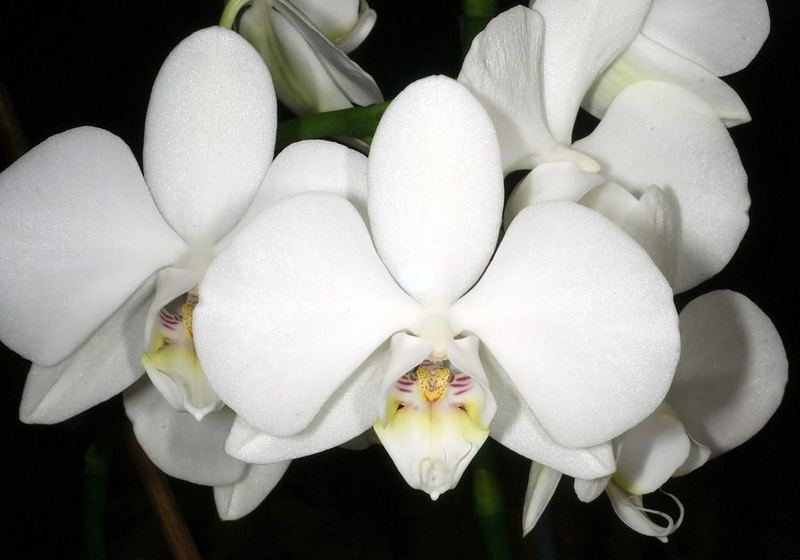
What it could be, and how to tell
These look alike in a photograph, so each one below lists what you would ALSO see if that is the cause. Work down the list and stop at the one where the other symptoms match too.
1. Broken-down potting medium holding water
What else you would see
- bark that has turned dark, soft and soil-like instead of chunky
- the pot staying wet for a week or more
- the plant has not been repotted in two years or more
What to do
- Remove all of the old medium. Every scrap of it.
- Cut back every root that is brown, soft, or hollow when pressed, using a blade sterilised first, back to firm pale tissue.
- Repot into fresh coarse bark in a pot with plenty of drainage holes, ideally a clear one so you can watch the roots.
- Water only when the roots go from green to silver, and never leave water sitting in the crown.
2. Watering on a schedule instead of on the roots
What else you would see
- a fixed weekly routine regardless of season
- roots green and plump most of the time, never silvering
- yellowing lower leaves alongside the soft roots
What to do
- Water by root colour, not by calendar.
- In winter with lower light and cooler temperatures, that gap gets noticeably longer.
3. Water left standing in the pot or the crown
What else you would see
- a decorative outer pot with no drainage holding water
- rot starting at the very base of the plant rather than at the root tips
- a sour smell
What to do
- Always let the pot drain fully and tip out any water caught underneath.
- Water in the morning so the crown can dry before the temperature drops overnight.
Common questions
Can an orchid survive with no roots left?
Sometimes, if the crown and at least one healthy leaf remain. Keep it in humid conditions on damp sphagnum with good air movement and be patient, since new roots can take months. Success is not guaranteed.
How do I tell a dead orchid root from a live one?
Press it. Live roots are firm and plump, pale silver when dry and green when wet. Dead roots are brown or black, collapse under light pressure, and the outer covering slides off leaving a thin wiry thread.
Should I use a fungicide on orchid root rot?
The reliable part of the fix is mechanical: remove the rotted tissue and the broken-down medium, and repot into something that drains. If you choose to use any product, follow the instructions on its label exactly, since the label is the legal instruction and overrides anything written here.
Before you act on any of this
This is general plant care guidance for a plant, not advice about people or animals. We never tell you whether a plant is safe to eat or touch, and we never tell you a plant is safe for a child or a pet. If a child or animal may have eaten any part of a plant, contact Poison Control (US 1-800-222-1222) or a vet immediately rather than reading further.
Treatment advice here is deliberately category level. We do not give product names, mixing ratios or application intervals. Whatever the label on the product in your hand says is the instruction that counts, and following it is your responsibility.
Where this comes from
The general horticultural facts behind this differential come from published university extension and Royal Horticultural Society guidance. What is specific to this plant, and the order the causes are ranked in, is ours, and the methodology page says where that reasoning stops being reliable.
- Root Rots on HouseplantsUniversity of Wisconsin-Madison Division of Extension
- Indoor Plants: WateringClemson Cooperative Extension Home and Garden Information Center
- Lighting for Indoor PlantsUniversity of Maryland Extension
- How to grow houseplantsRoyal Horticultural Society
Other orchid problems
- Orchid leaves turning yellow
- Orchid leaves drooping
- Orchid dying
- Orchid leaves curling
- Orchid not blooming
- Orchid bugs
- Orchid overwatered
- Orchid leaves turning brown
- Orchid spider mites
- Orchid brown spots on leaves
- Orchid black spots
Related problems
Not sure which one it is?
PlantRx is an iPhone app that reads the photo and gives you the same kind of ranked differential you just read, for your plant specifically, with the evidence it based each answer on. The first diagnosis is free, in full. There is no subscription and no account.