Brown spots on fiddle leaf fig
Fiddle leaf figs get brown spots for at least five different reasons, and the treatments contradict each other, so guessing is expensive. The position of the spot on the leaf, and which leaves are affected, narrows it down faster than anything else.
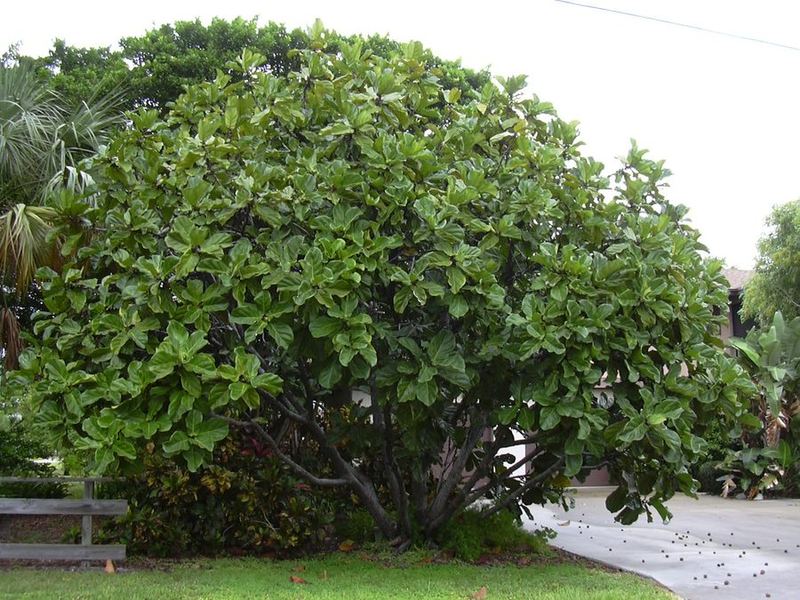
What it could be, and how to tell
These look alike in a photograph, so each one below lists what you would ALSO see if that is the cause. Work down the list and stop at the one where the other symptoms match too.
1. Root rot from overwatering
What else you would see
- dark brown or nearly black spots starting at the base or the centre of the leaf and spreading outward
- lower and older leaves affected first
- soil wet for days, and a musty smell
- leaves dropping while still largely green
What to do
- Stop watering until the top two to three inches are dry.
- Unpot and cut away every soft brown root with a sterilised blade if rot is present.
- Repot into fresh free-draining mix, in a pot with real drainage, matched to the remaining root mass.
- Remove the worst affected leaves so the plant is not maintaining them.
2. Dryness and underwatering
What else you would see
- tan or light brown crispy spots starting at the leaf EDGES and tips
- leaf edges curling inward
- soil dry and shrunk from the pot wall
What to do
- Water thoroughly and evenly until it runs from the drainage holes.
- Water on a consistent schedule based on the soil, not on a fixed day.
3. Bacterial leaf spot
What else you would see
- irregular brown spots with yellowing around them
- multiple leaves affected including NEW growth, not just the old ones
- spread over days rather than weeks
What to do
- Isolate the plant from your others immediately.
- Remove affected leaves with a sterilised blade and dispose of them, do not compost.
- Increase airflow, reduce leaf wetness, and stop misting.
- Repot into fresh mix. This one is difficult to beat and the plant may not recover.
4. Sunburn
What else you would see
- bleached pale tan patches rather than dark spots
- only on leaves facing the window, often the upper ones
- onset after a move into brighter light or a change of season
What to do
- Move back from the glass or filter the light.
- Introduce a fiddle leaf fig to brighter light gradually rather than all at once.
5. Physical damage or edema
What else you would see
- small isolated brown marks with no spreading and no halo
- marks where a leaf rubbed a wall, a pot or another leaf
- small raised blisters on the underside after heavy watering
What to do
- Nothing to treat. Give the plant space so its leaves are not rubbing.
- For blistering, water more evenly rather than in large infrequent soaks.
Common questions
Do brown spots spread from leaf to leaf on a fiddle leaf fig?
Bacterial leaf spot does, and it will affect new growth as well as old. Root rot damage appears on multiple leaves too, but always working from the bottom of the plant upward. Sunburn and physical damage do not spread at all.
Should I cut off leaves with brown spots?
Remove badly affected leaves, especially if you suspect a bacterial problem, using a sterilised blade. Leaves with a small stable mark can stay, since a leaf still does useful work for the plant.
Will the brown spots go away?
The existing spots never turn green again. Success is measured by whether NEW leaves come in clean, which takes a few weeks once the cause is fixed.
Before you act on any of this
This is general plant care guidance for a plant, not advice about people or animals. We never tell you whether a plant is safe to eat or touch, and we never tell you a plant is safe for a child or a pet. If a child or animal may have eaten any part of a plant, contact Poison Control (US 1-800-222-1222) or a vet immediately rather than reading further.
Treatment advice here is deliberately category level. We do not give product names, mixing ratios or application intervals. Whatever the label on the product in your hand says is the instruction that counts, and following it is your responsibility.
Where this comes from
The general horticultural facts behind this differential come from published university extension and Royal Horticultural Society guidance. What is specific to this plant, and the order the causes are ranked in, is ours, and the methodology page says where that reasoning stops being reliable.
- Houseplant Diseases and DisordersClemson Cooperative Extension Home and Garden Information Center
- Indoor Plants: WateringClemson Cooperative Extension Home and Garden Information Center
- Lighting for Indoor PlantsUniversity of Maryland Extension
- How to grow houseplantsRoyal Horticultural Society
Other fiddle leaf fig problems
- Fiddle leaf fig leaves turning brown
- Fiddle leaf fig leaves drooping
- Fiddle leaf fig yellow leaves
- Fiddle leaf fig leaves curling
- Fiddle leaf fig root rot
- Fiddle leaf fig spider mites
- Fiddle leaf fig dying
- Fiddle leaf fig not growing
- Fiddle leaf fig problems
Related problems
Not sure which one it is?
PlantRx is an iPhone app that reads the photo and gives you the same kind of ranked differential you just read, for your plant specifically, with the evidence it based each answer on. The first diagnosis is free, in full. There is no subscription and no account.